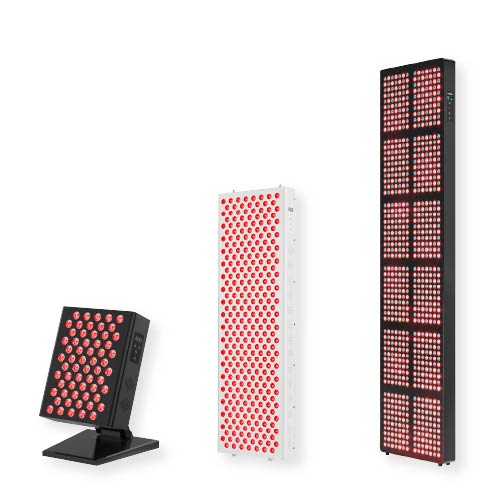
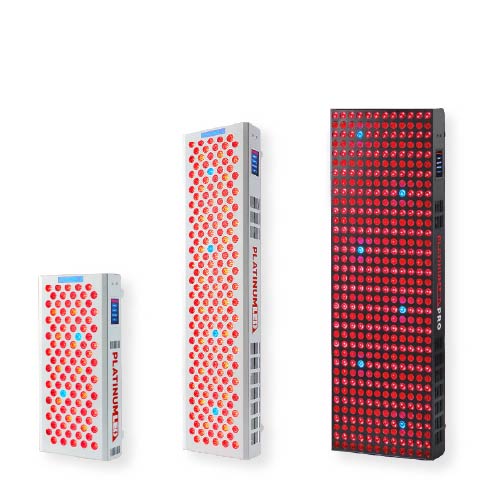
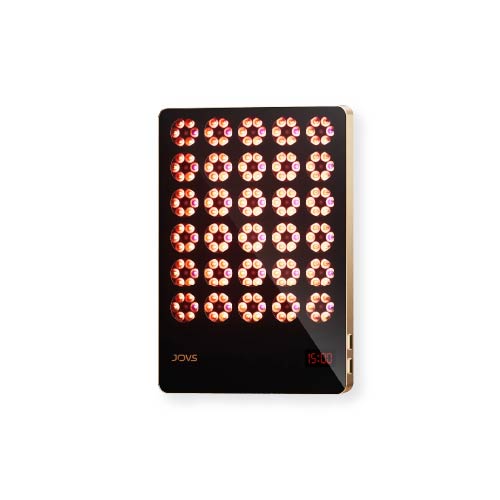
Red Light Therapy Panels in 2026: What They Are and Why They Matter
Red light therapy has moved well beyond the wellness fringe. A large and growing body of peer-reviewed research now explores its use for muscle recovery, pain management, skin health, inflammation, and more. The principle is simple: specific wavelengths of light are absorbed by your cells and help support the energy production that drives repair and recovery. But the gap between a panel that does meaningful work and one that mostly looks the part comes down to a single factor most shoppers overlook, which is the wavelengths it actually delivers.
The phrase "best red light therapy panel" gets searched constantly, yet the panels at the top of most generic lists are chosen for brand recognition or price rather than what matters biologically. Our rankings take a narrower, more useful position: the panels worth your money are the ones that pair surface-level red light with genuine near-infrared (NIR) and deep near-infrared (deep NIR) output, because that combination is what reaches past the skin into the muscle, joints, and connective tissue where recovery actually happens.
Why Most Panels Don't Reach Deep Enough
Walk into any wellness store or scroll an online marketplace and you'll find hundreds of panels ranging from $30 to $3,000. The majority operate only in the 630–850nm range, which is effective for surface-level skin benefits but limited when it comes to deeper tissue. Light loses energy as it travels through skin, fat, and muscle, and shorter wavelengths give up that energy fastest. Red light around 630–660nm works mainly at the skin's surface. Near-infrared around 810–850nm reaches into muscle and connective tissue. Deep near-infrared at 1060–1064nm is the longest wavelength used in consumer panels and is designed to travel furthest into the body.
This isn't a marginal distinction. For someone working on knee discomfort, a stiff lower back, or post-exercise muscle recovery, a panel that only reaches the surface isn't addressing the area that needs support. Deep near-infrared is the point where a panel stops being a skin-only device and becomes a tool for whole-body recovery. That's why every panel on this site is evaluated specifically for verified near-infrared and deep near-infrared (1060/1064nm) output rather than red light alone.
Who Should Consider a Red Light Therapy Panel?
- Athletes and active adults looking to support muscle recovery, ease everyday soreness, and stay consistent through a long training season
- People managing everyday aches from stiff joints, general inflammation, or repetitive strain
- Anyone focused on recovery and wellness where supporting tissue repair and managing soreness are priorities
- Individuals interested in longevity and cellular health, an area where near-infrared light continues to be actively studied
- People prioritizing skin health who want real red-light collagen support rather than a surface-only gadget
Key Features to Look for in a Deep-NIR Panel
- Verified wavelength output confirmed by third-party spectral testing, not just self-reported specs
- Deep near-infrared (1060/1064nm) in the spectrum, ideally at meaningful LED density rather than a token inclusion
- Irradiance (mW/cm²) measured at a stated distance, so you can compare panels on equal terms
- Panel coverage area matched to your goals, from targeted spot treatment to full-body sessions
- Warranty, trial, and safety certifications, where a 2–3 year warranty and a real trial period signal manufacturer confidence